
Published view 1
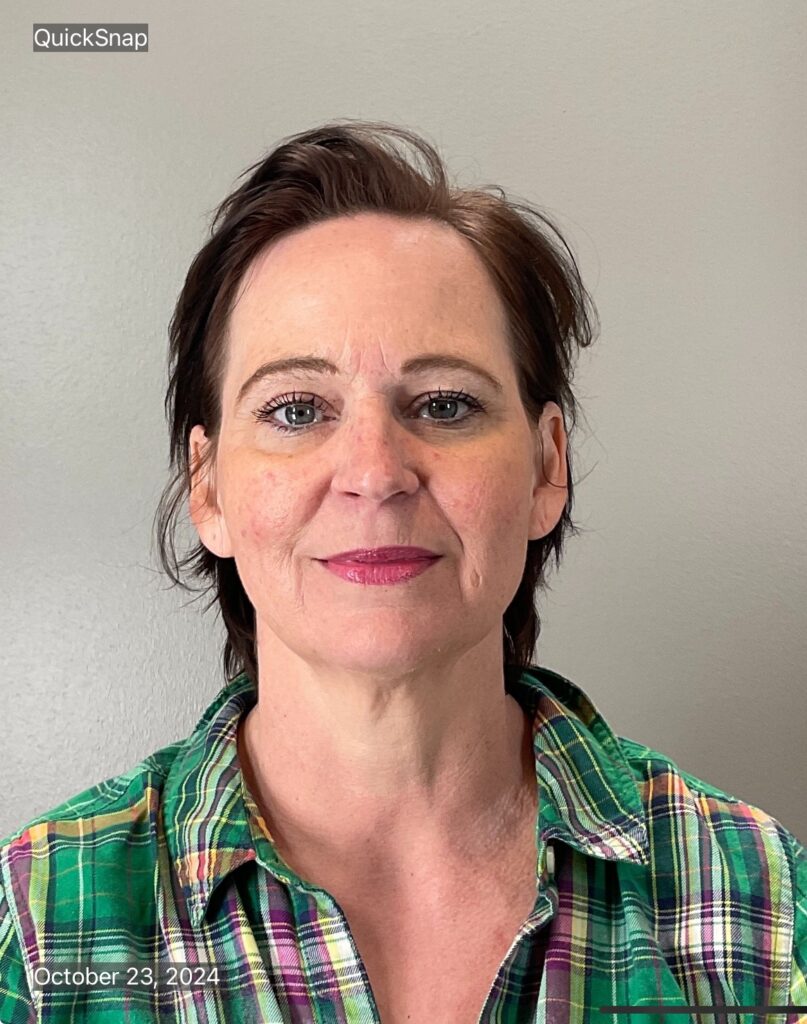
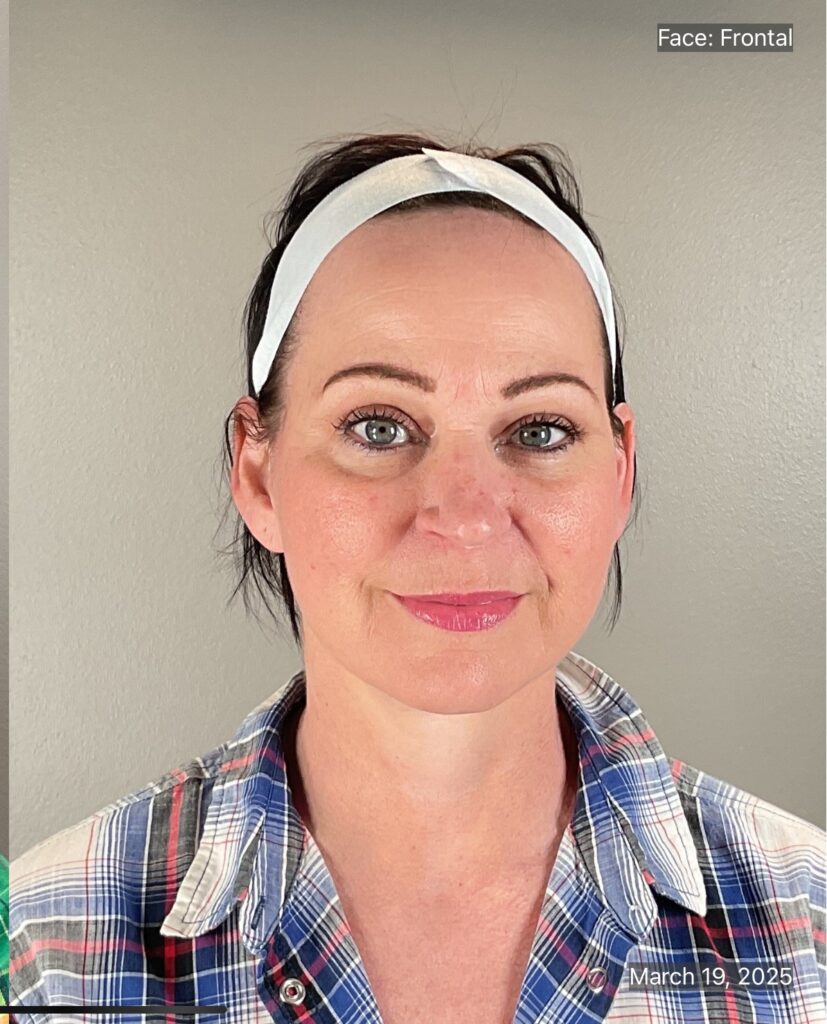
Published view 2
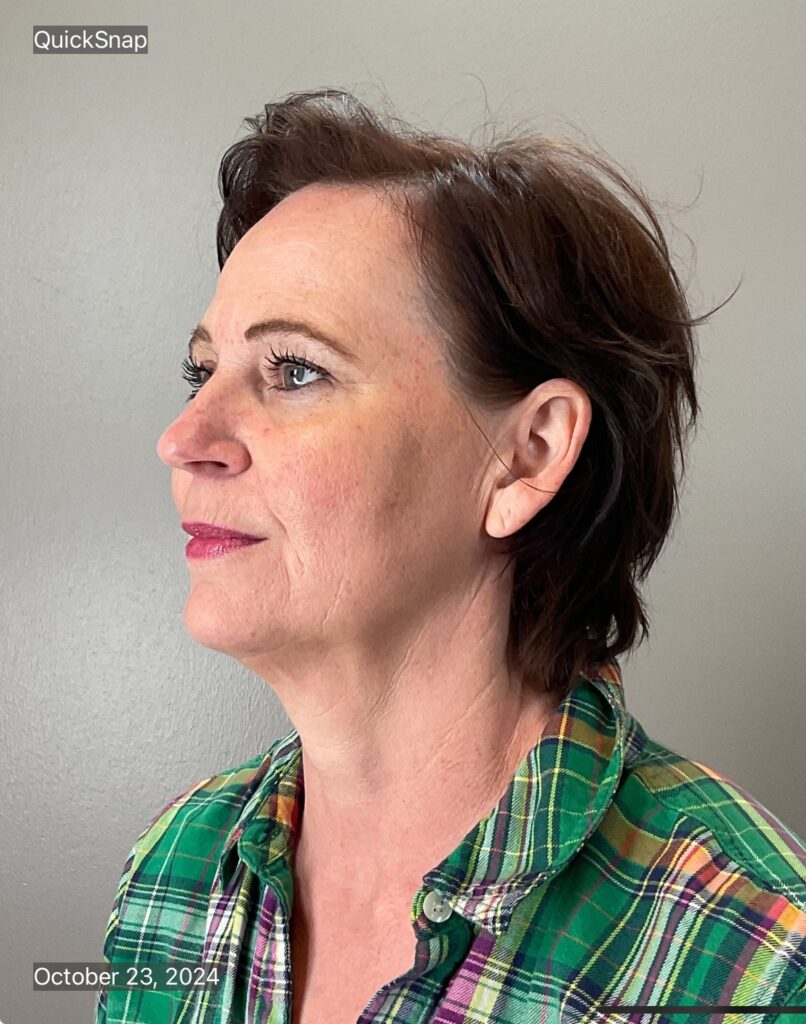
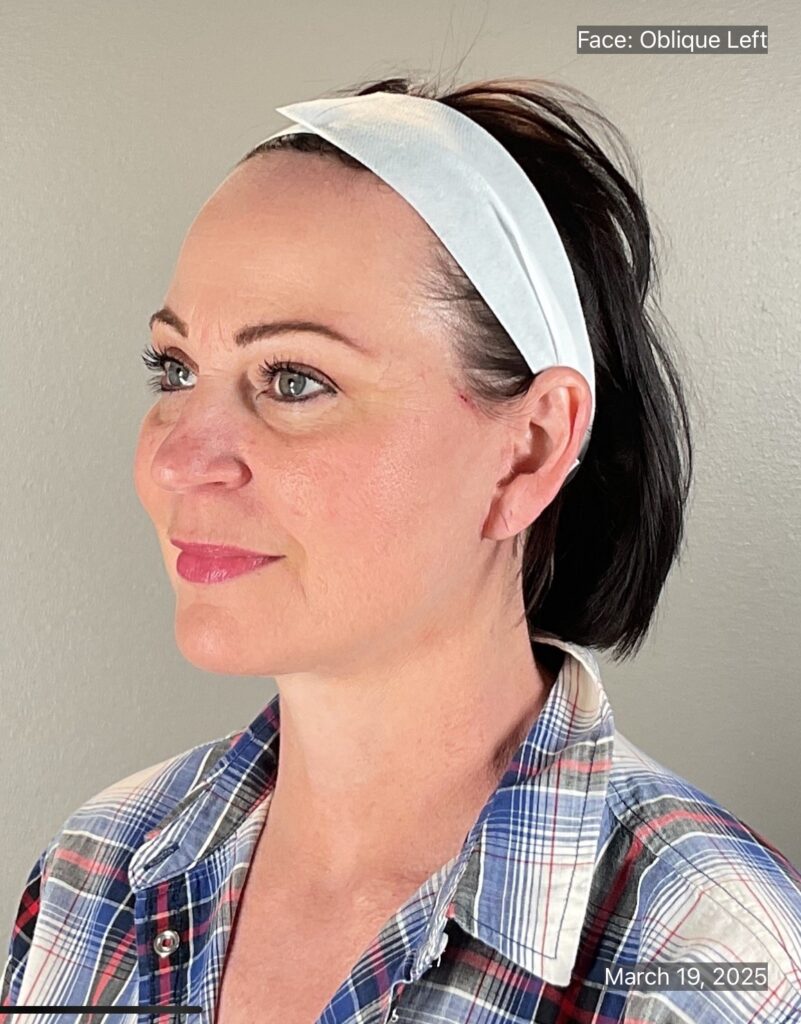

LeeLift is Dr. Lee’s individualized approach to facelift surgery, with deep-plane techniques considered for appropriate anatomy and goals. It addresses facial support and lower-face contour rather than relying on skin tightening alone.
Tell us about your goals. Our team will contact you to discuss your next step.
LeeLift is Dr. Lee’s individualized approach to facelift surgery, with deep-plane techniques considered for appropriate anatomy and goals. It addresses facial support and lower-face contour rather than relying on skin tightening alone.
Dr. Lee assesses the cheeks, jawline and neck along with brow and eyelid concerns. The plan is tailored to what needs treatment; complementary eyelid surgery, brow lift or resurfacing is considered only when it serves a separate goal.
Swipe through the published cases below, or use the arrows. Each case keeps its Before and After photos together.

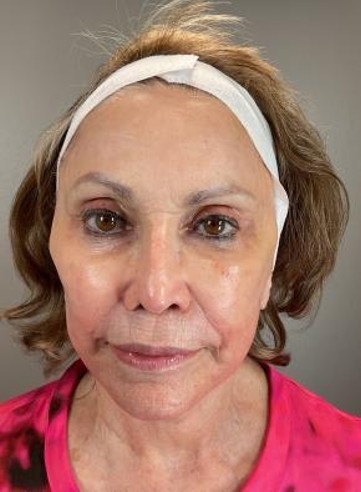

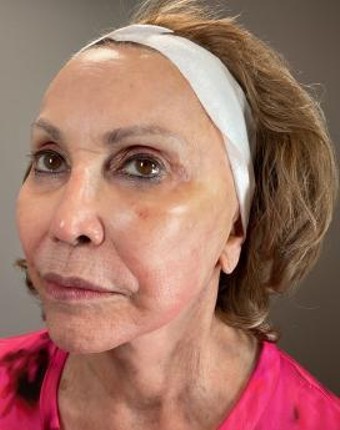

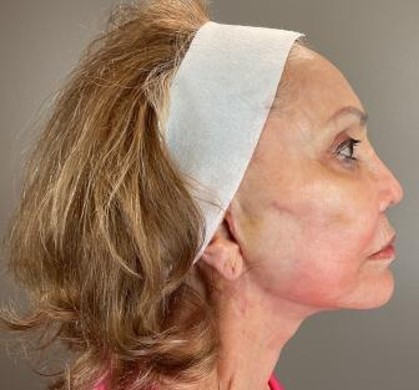
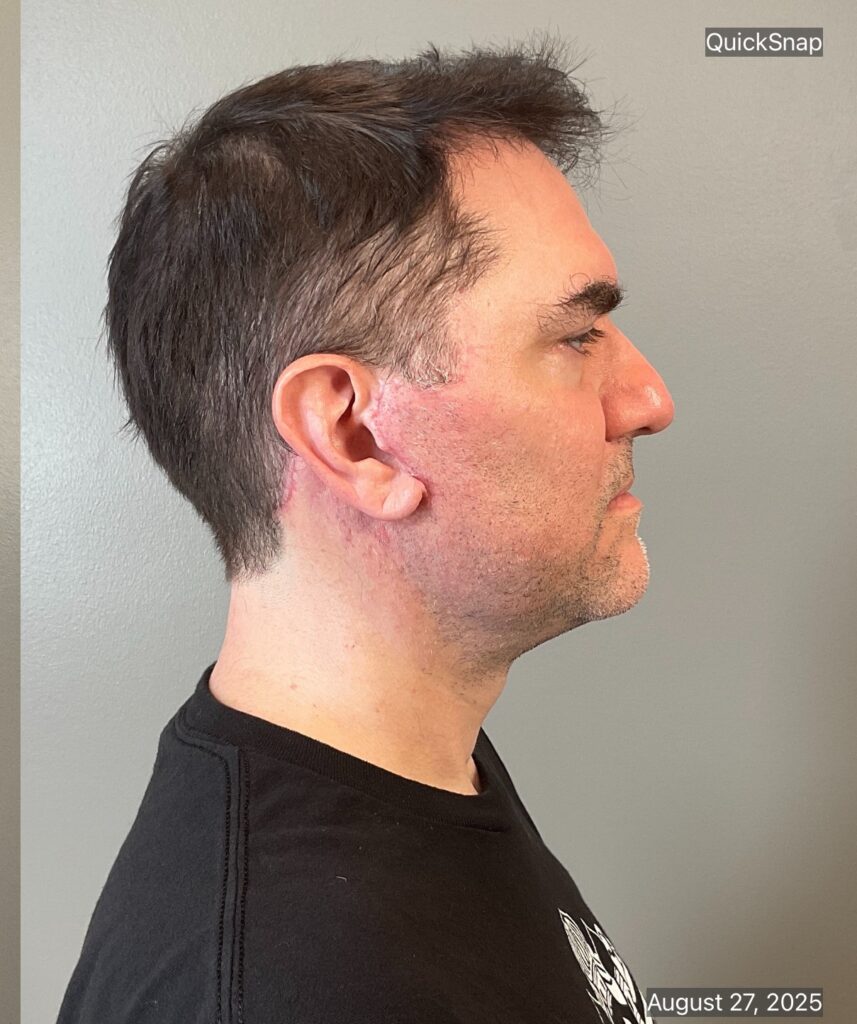
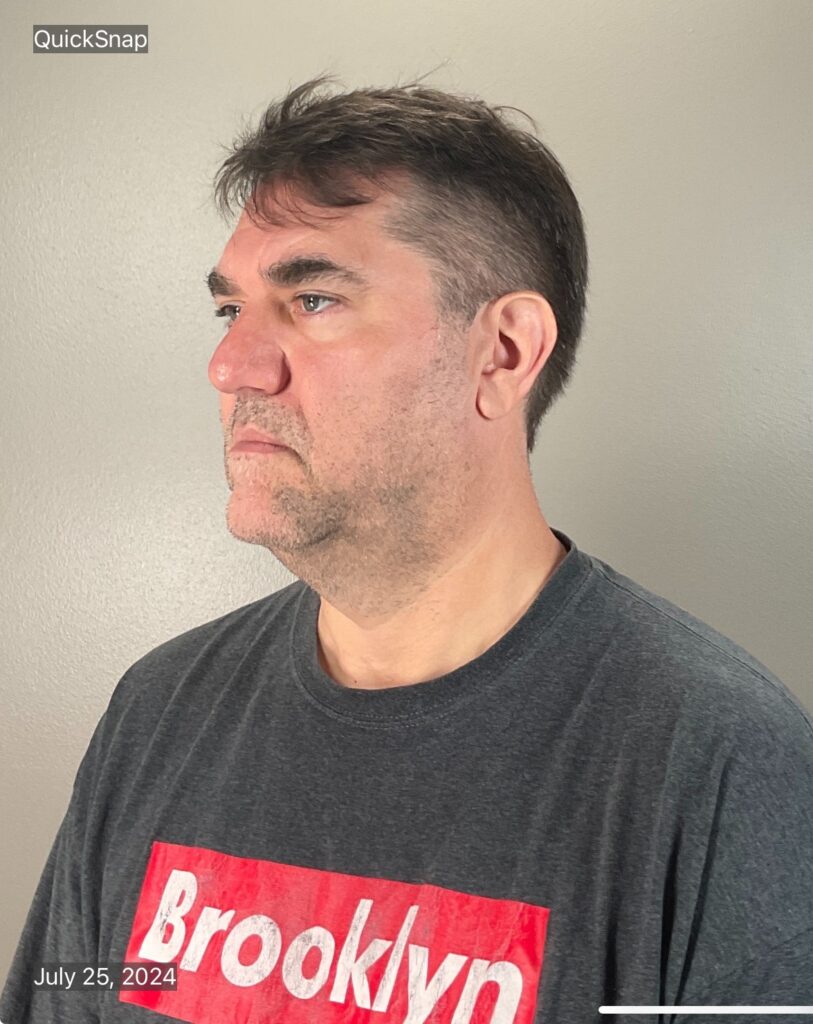
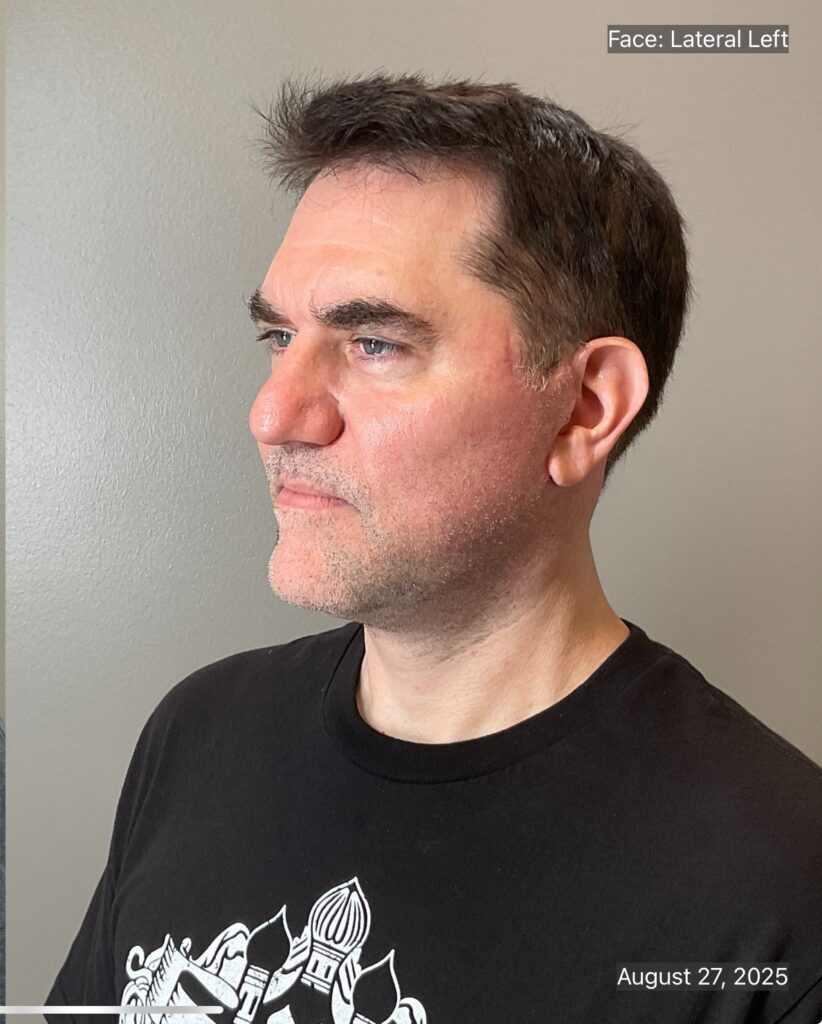
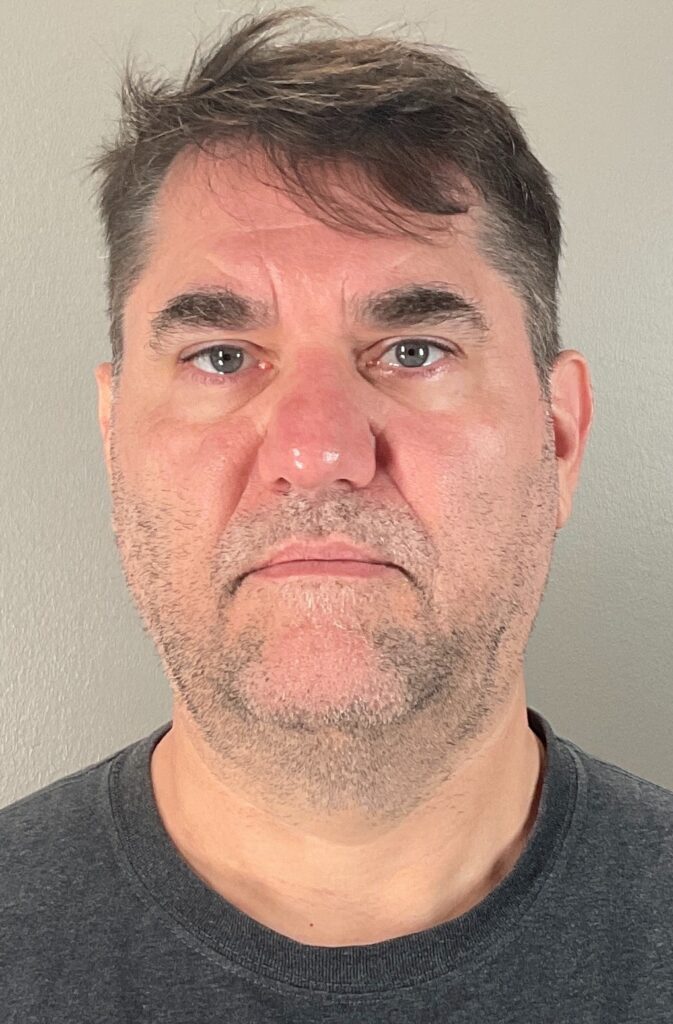
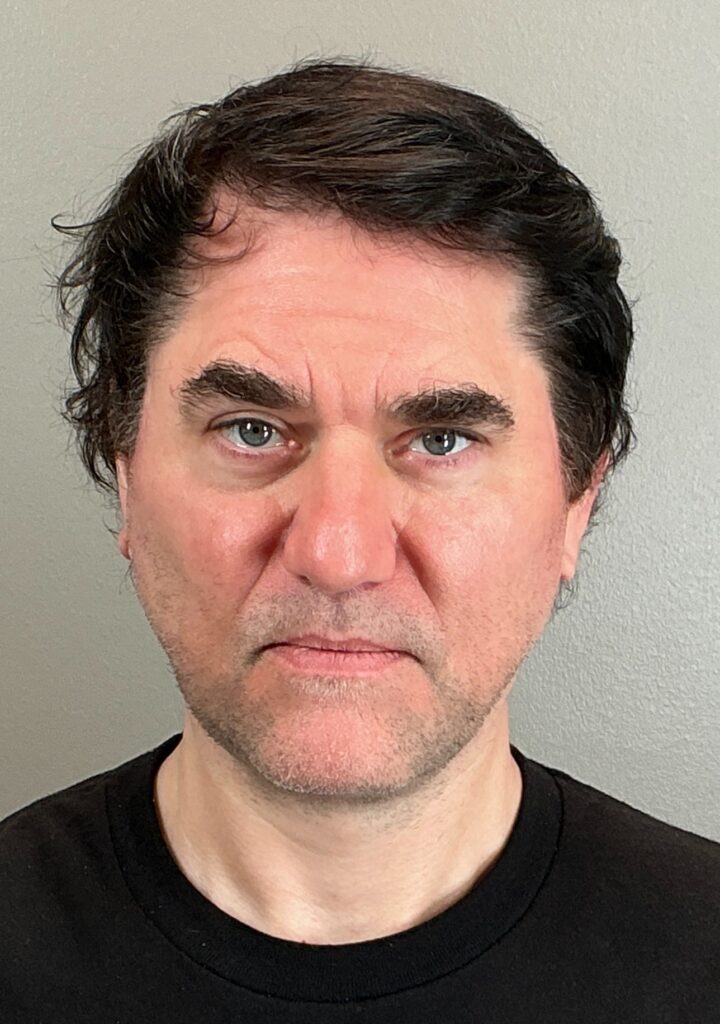
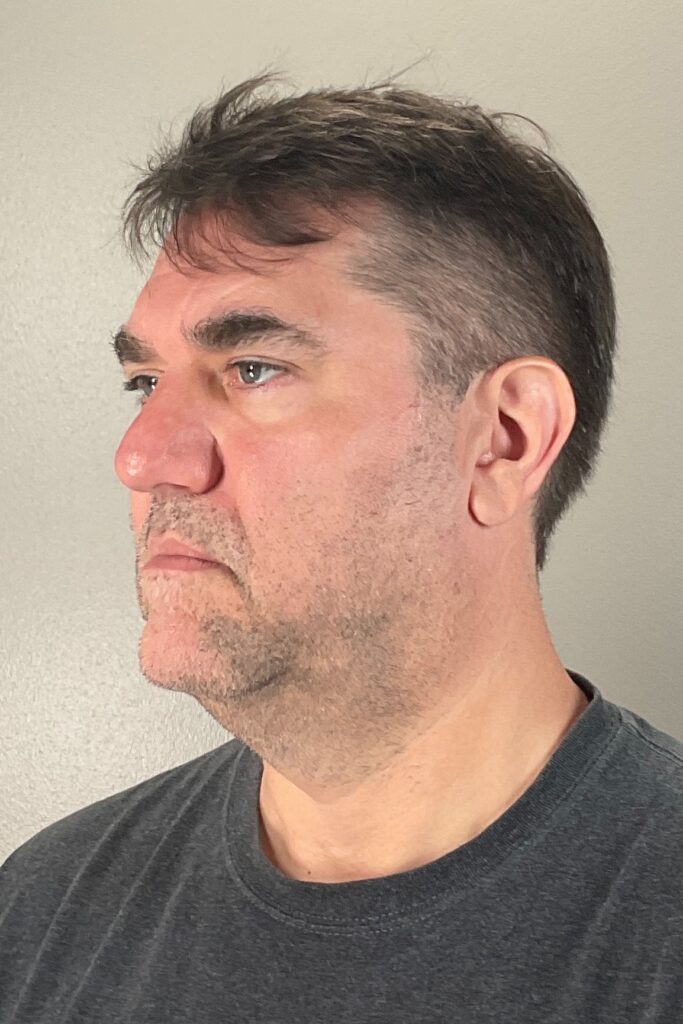
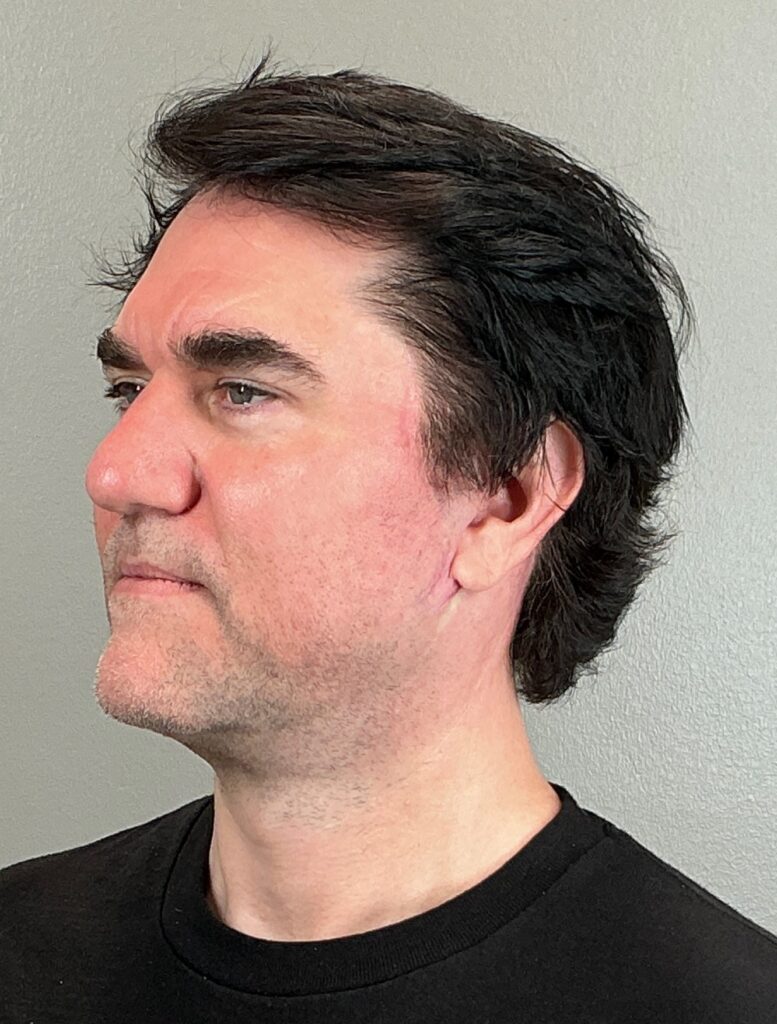
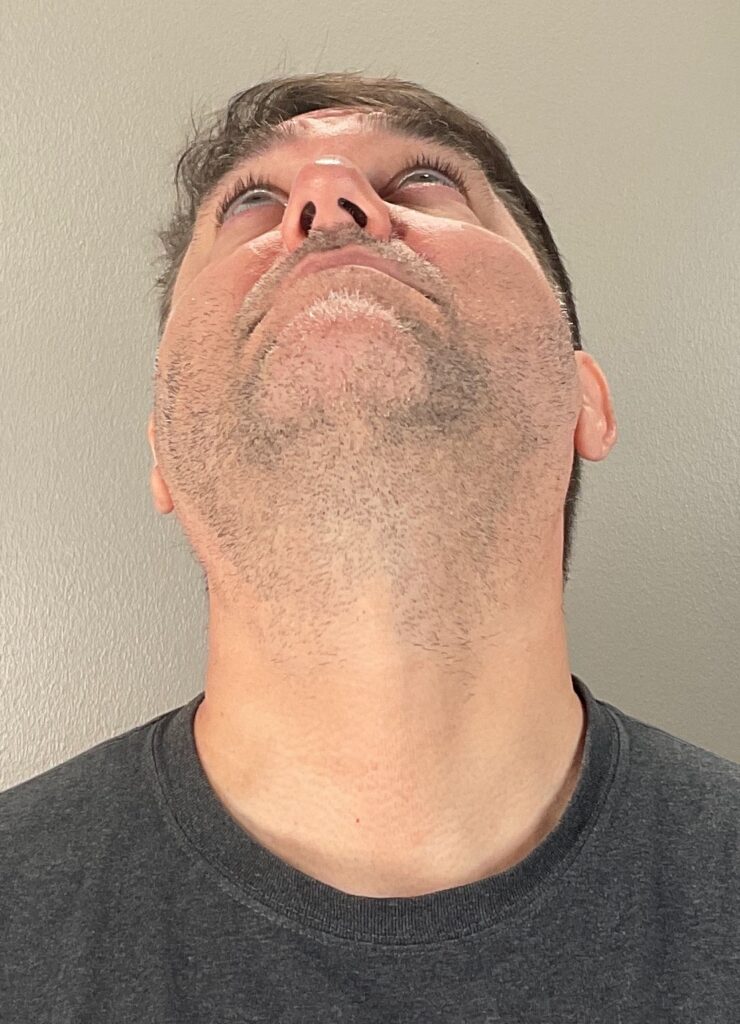
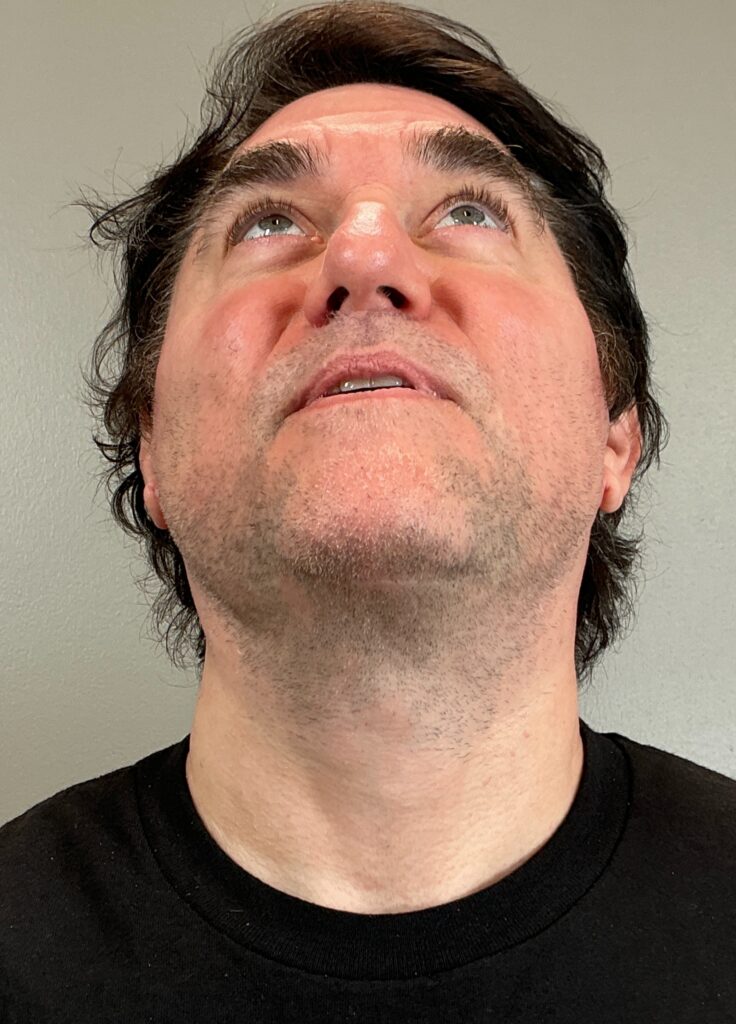
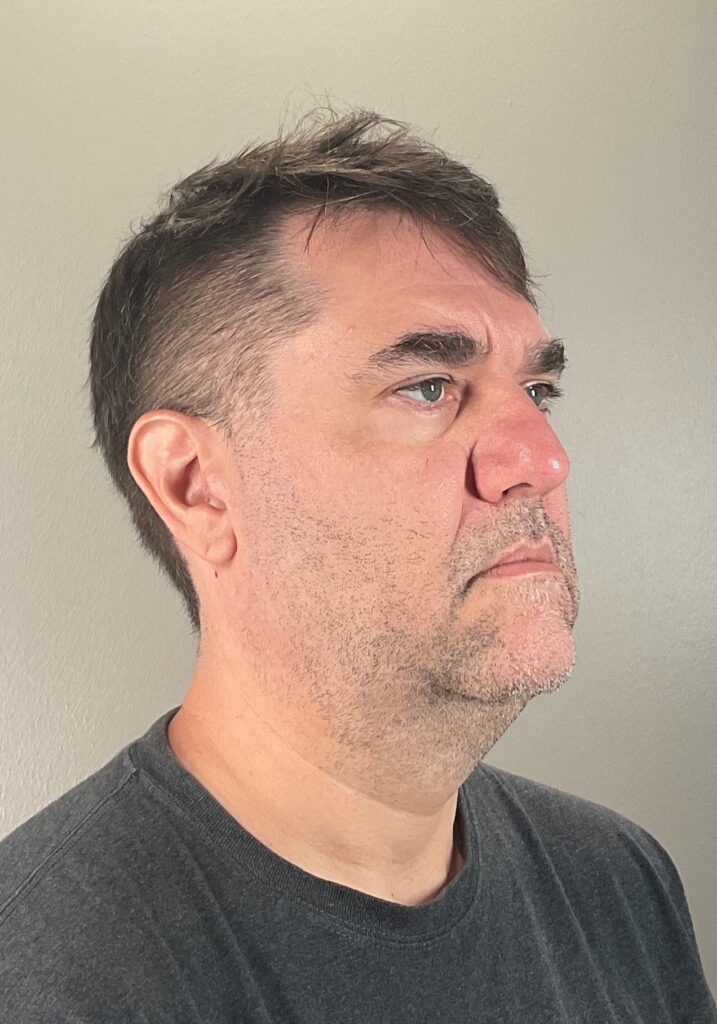
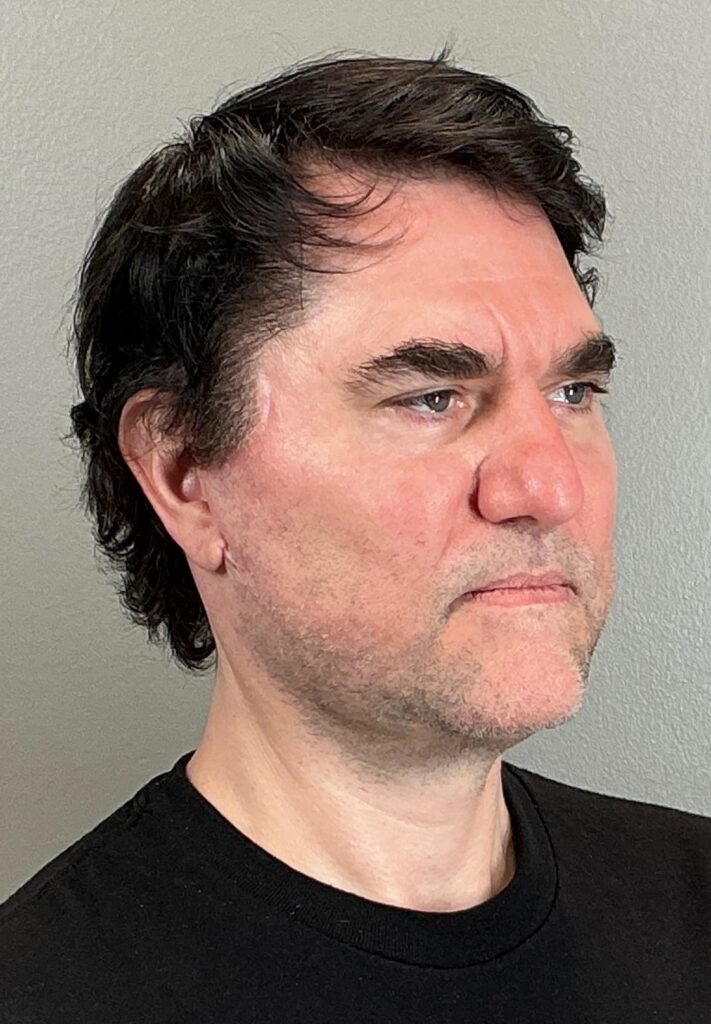
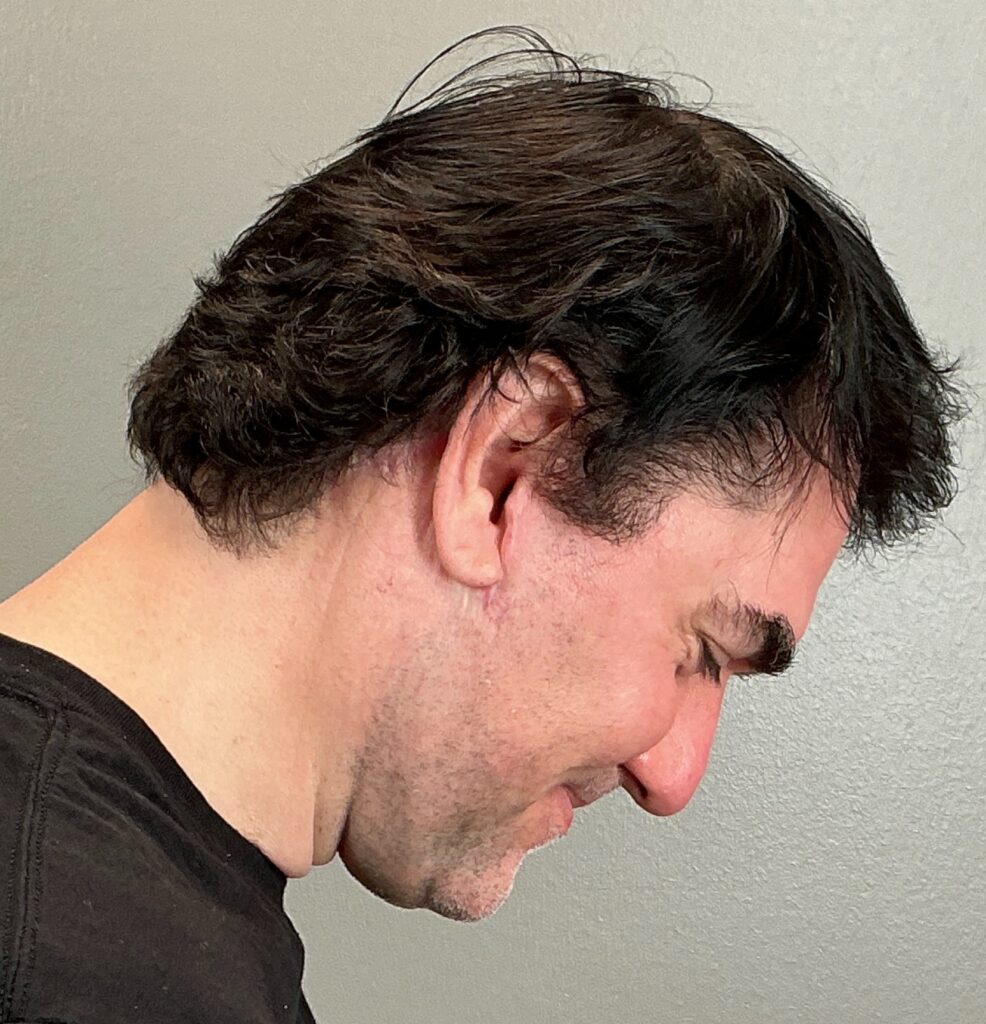


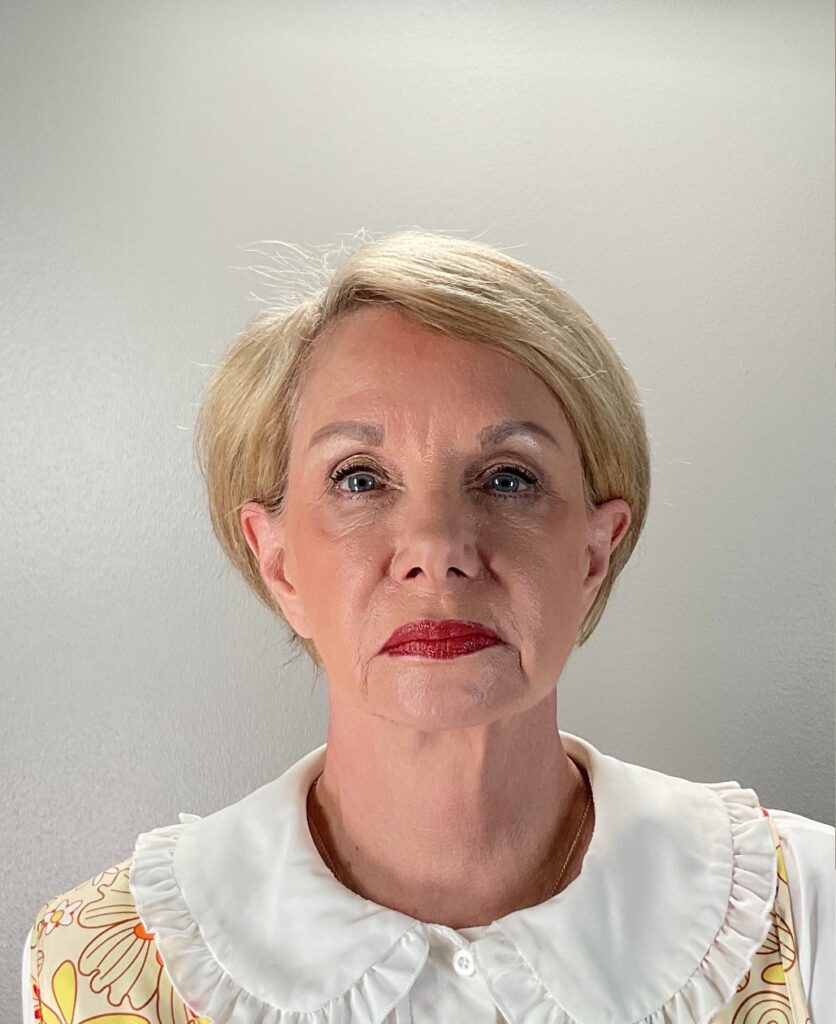
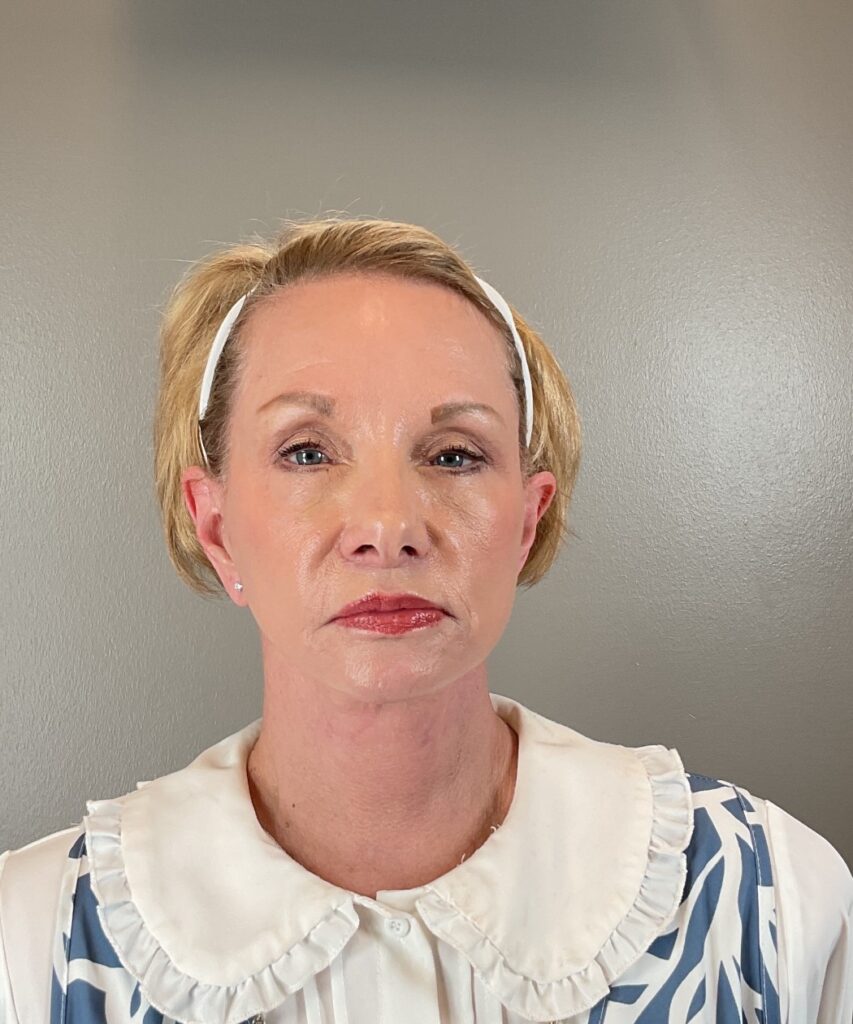

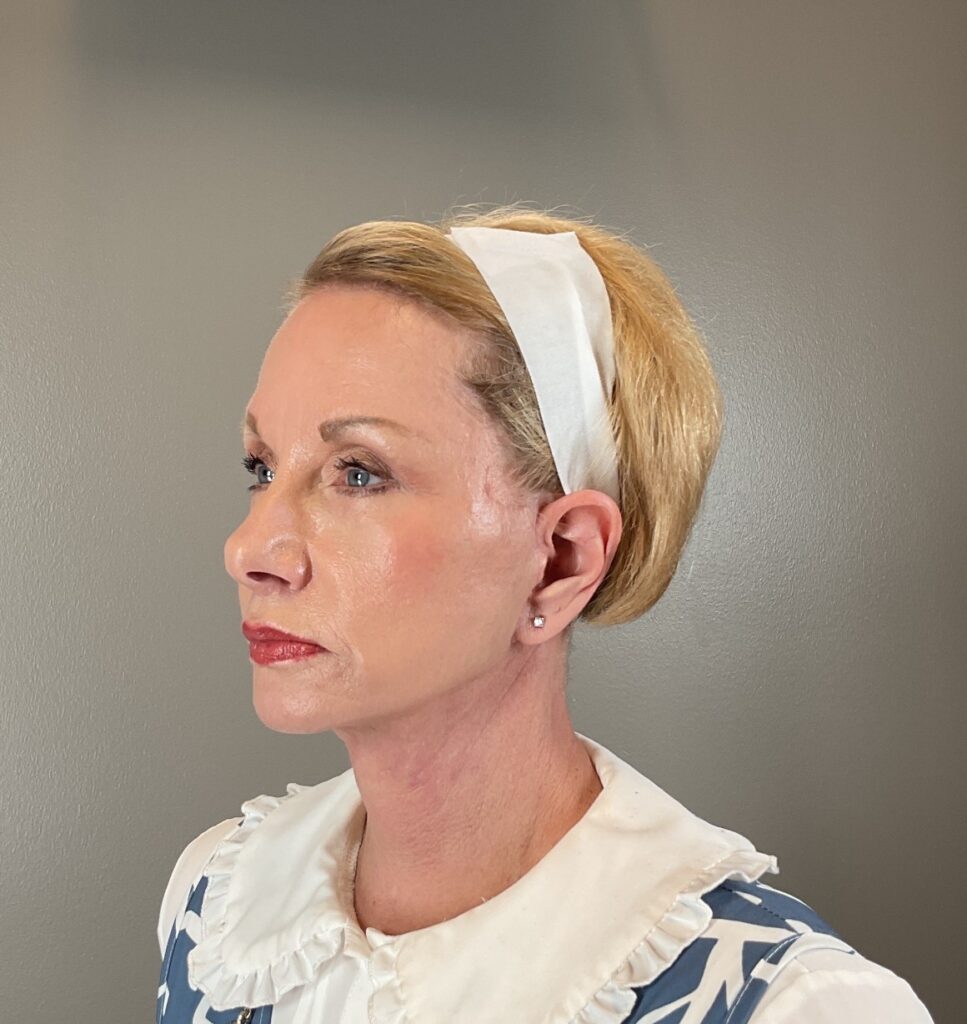
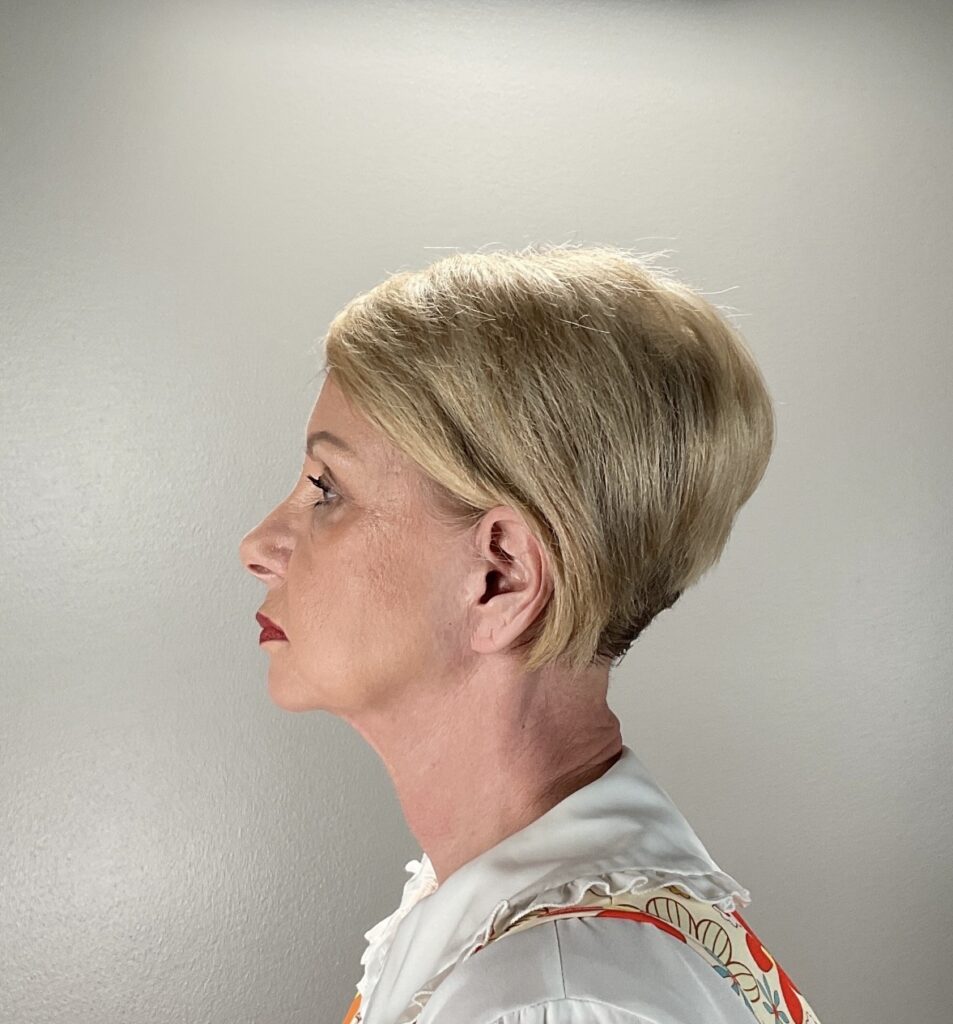
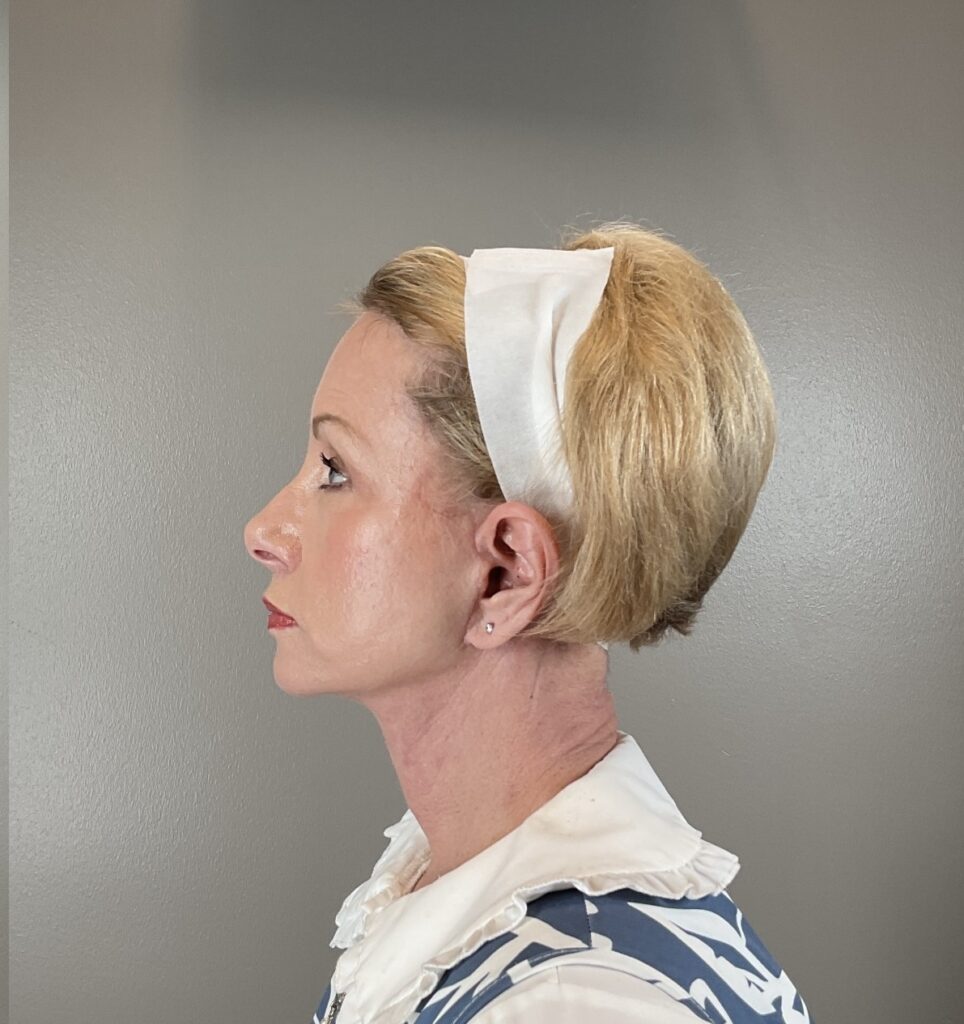
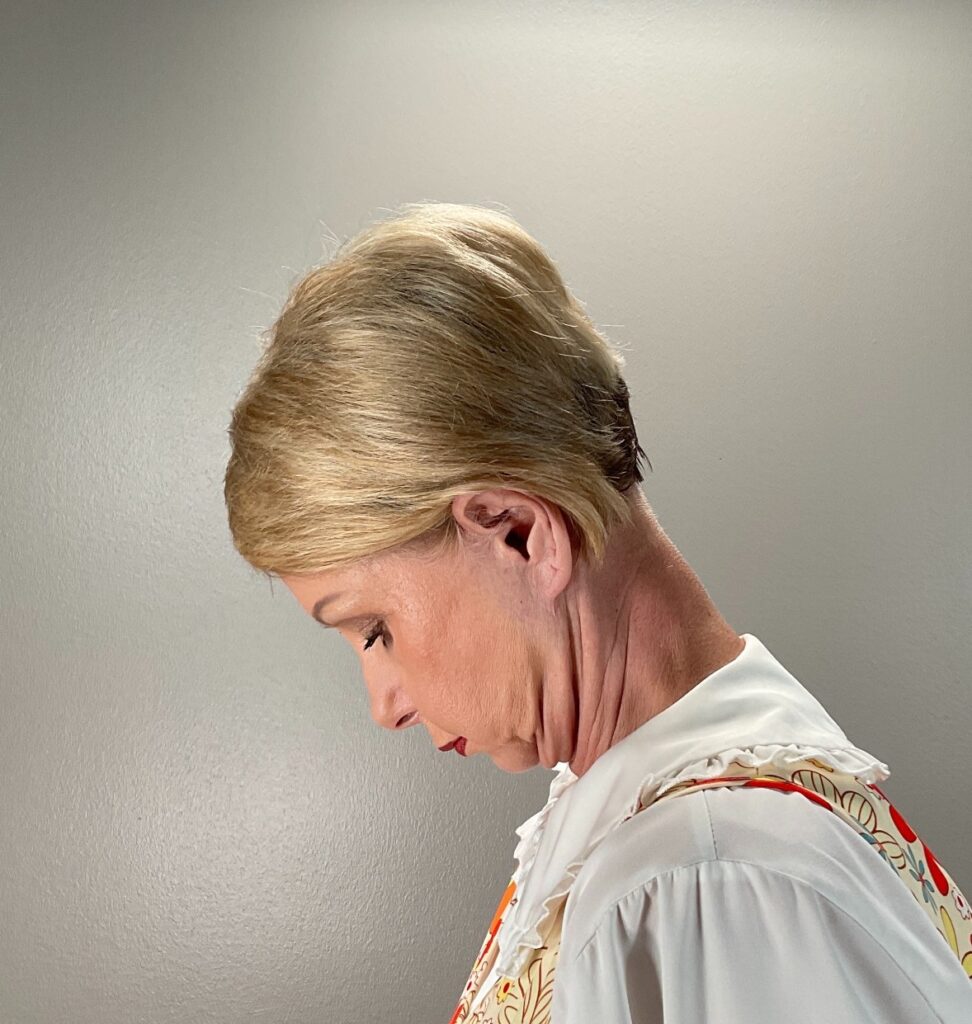
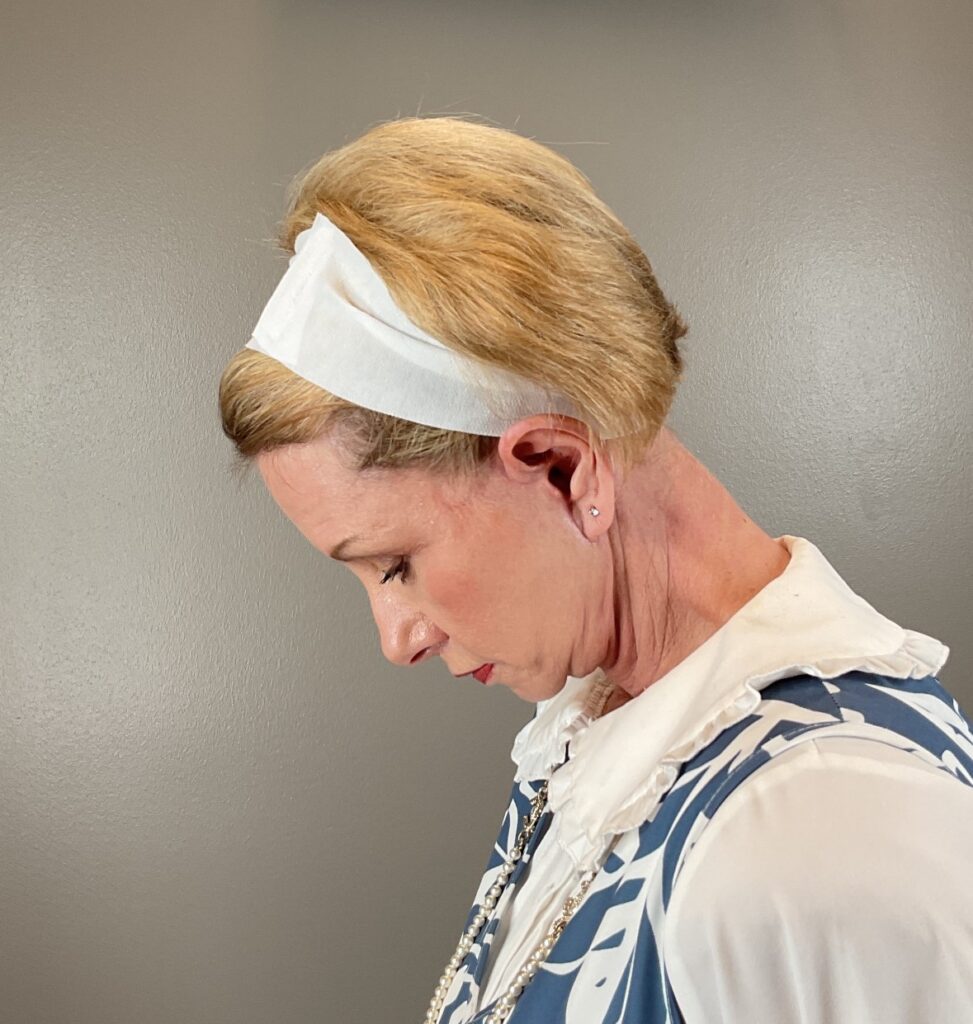
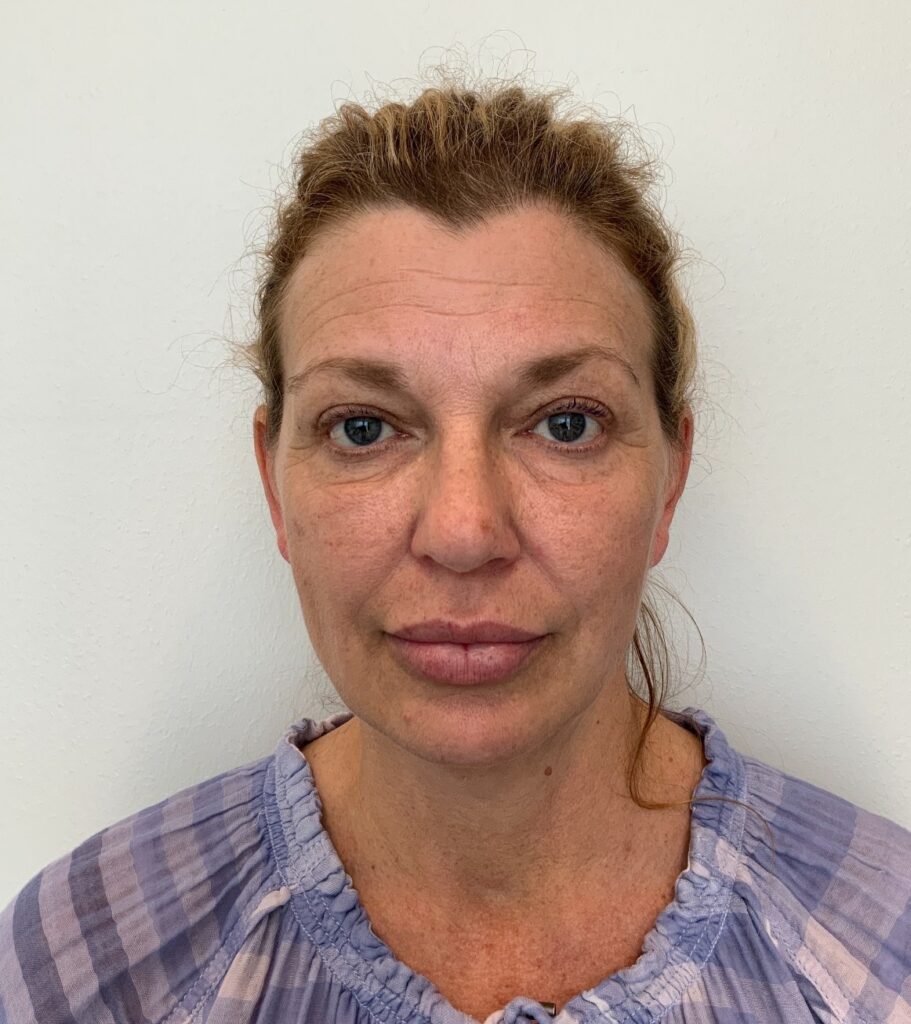
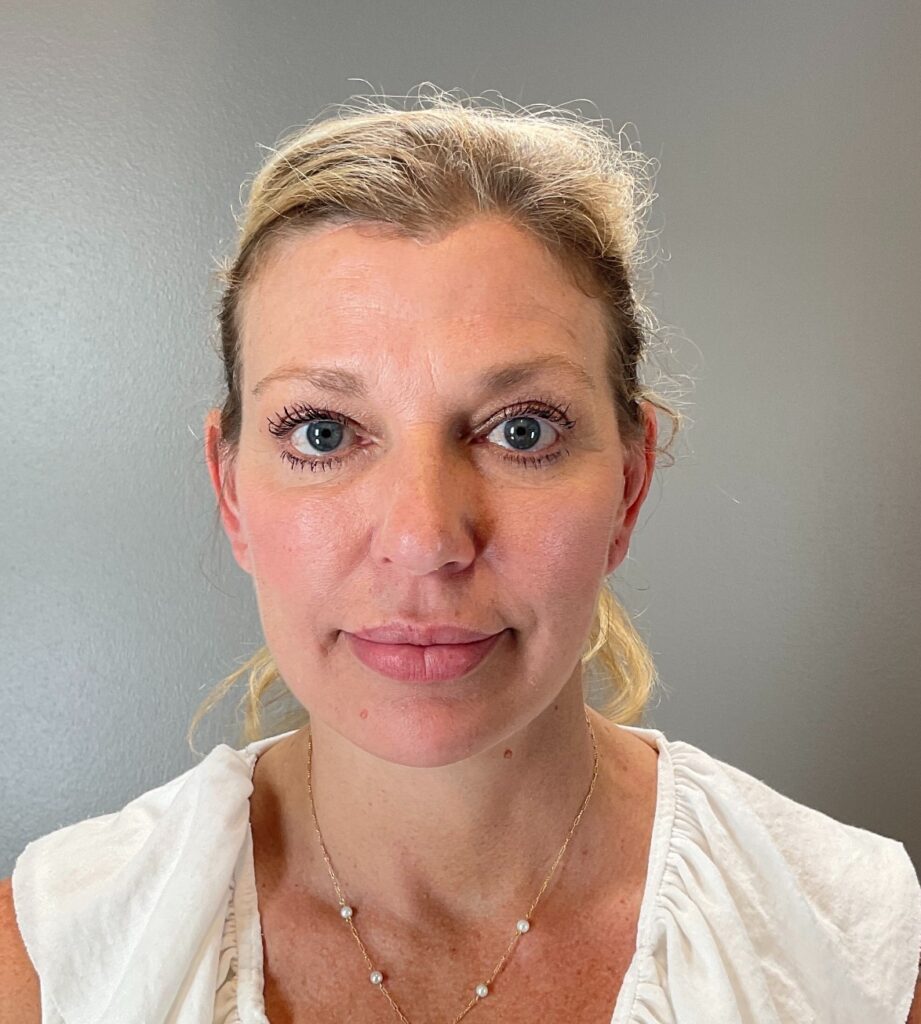
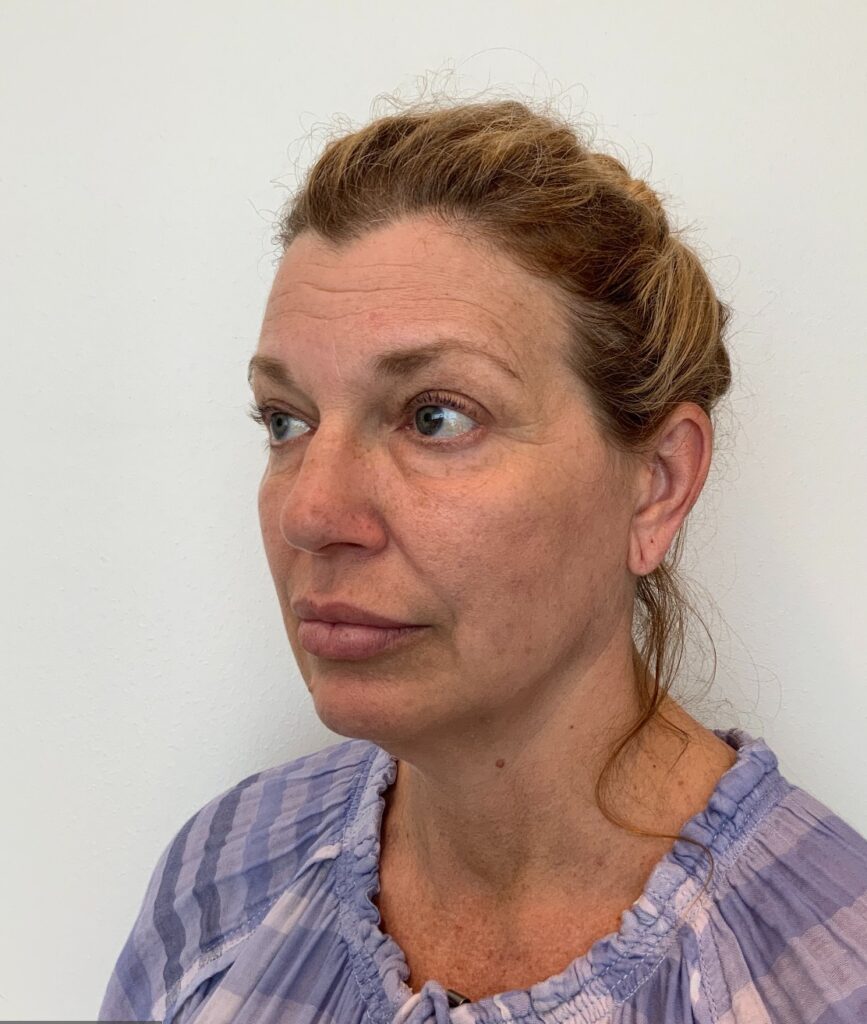
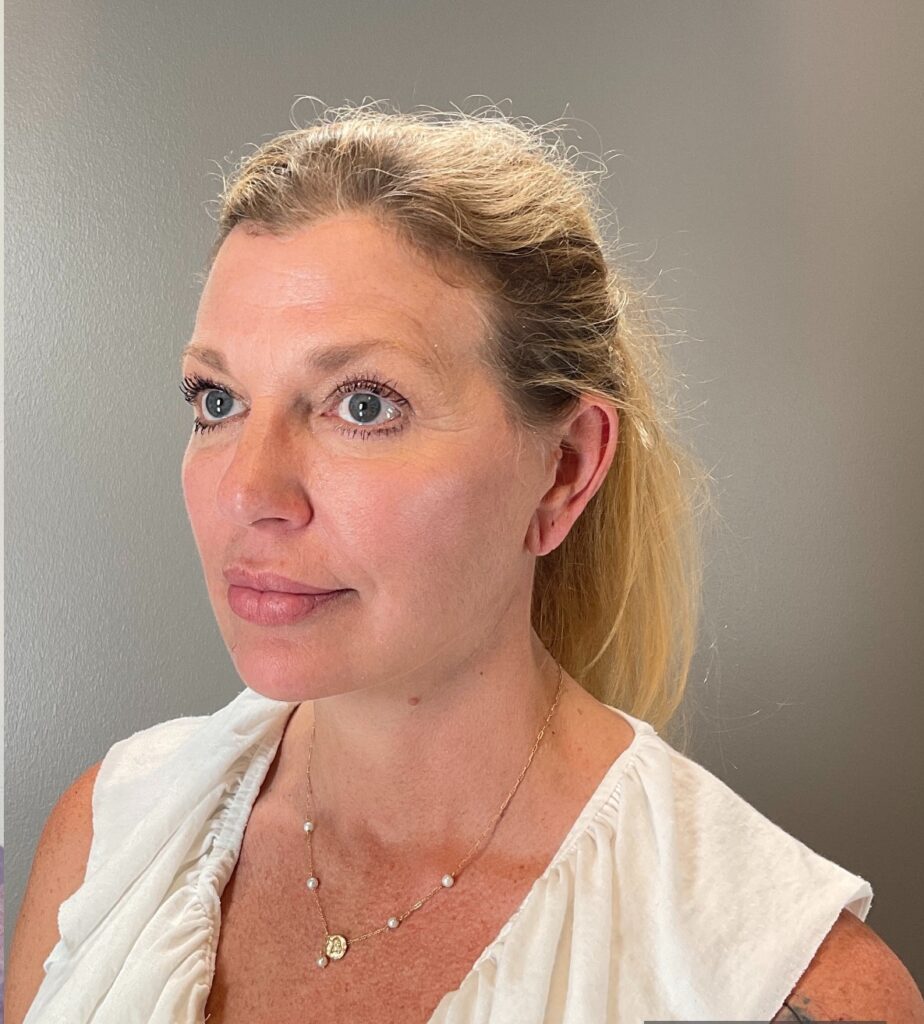
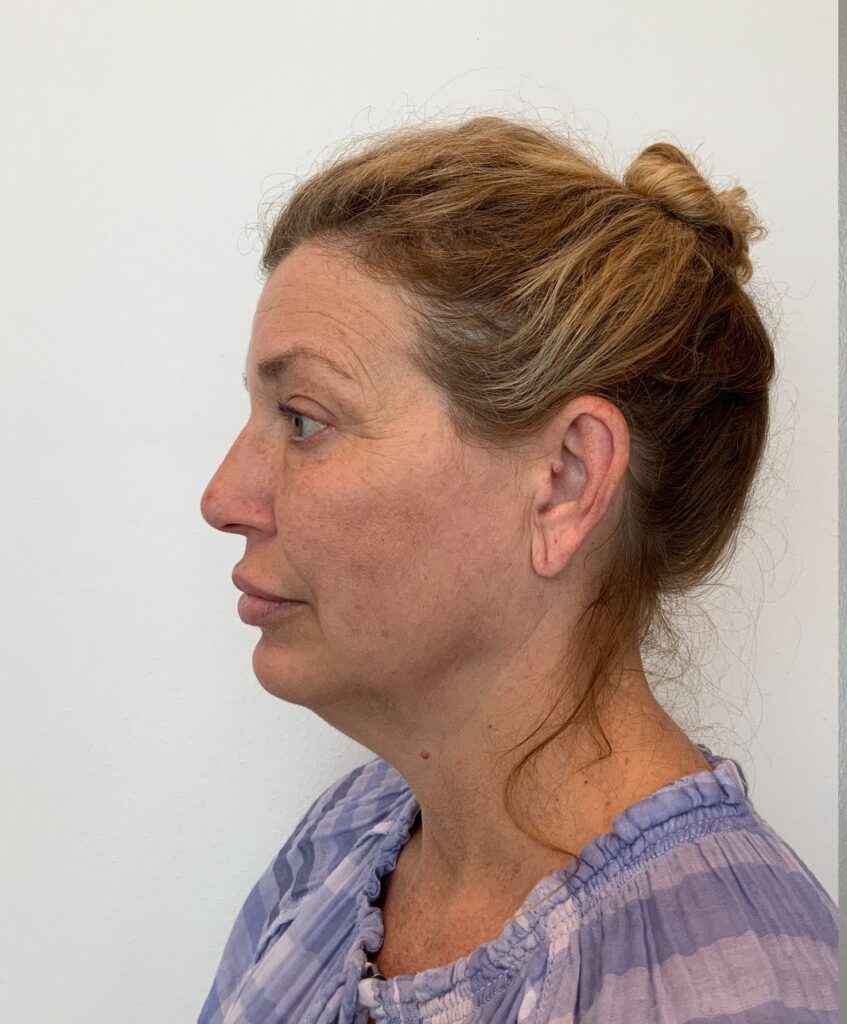
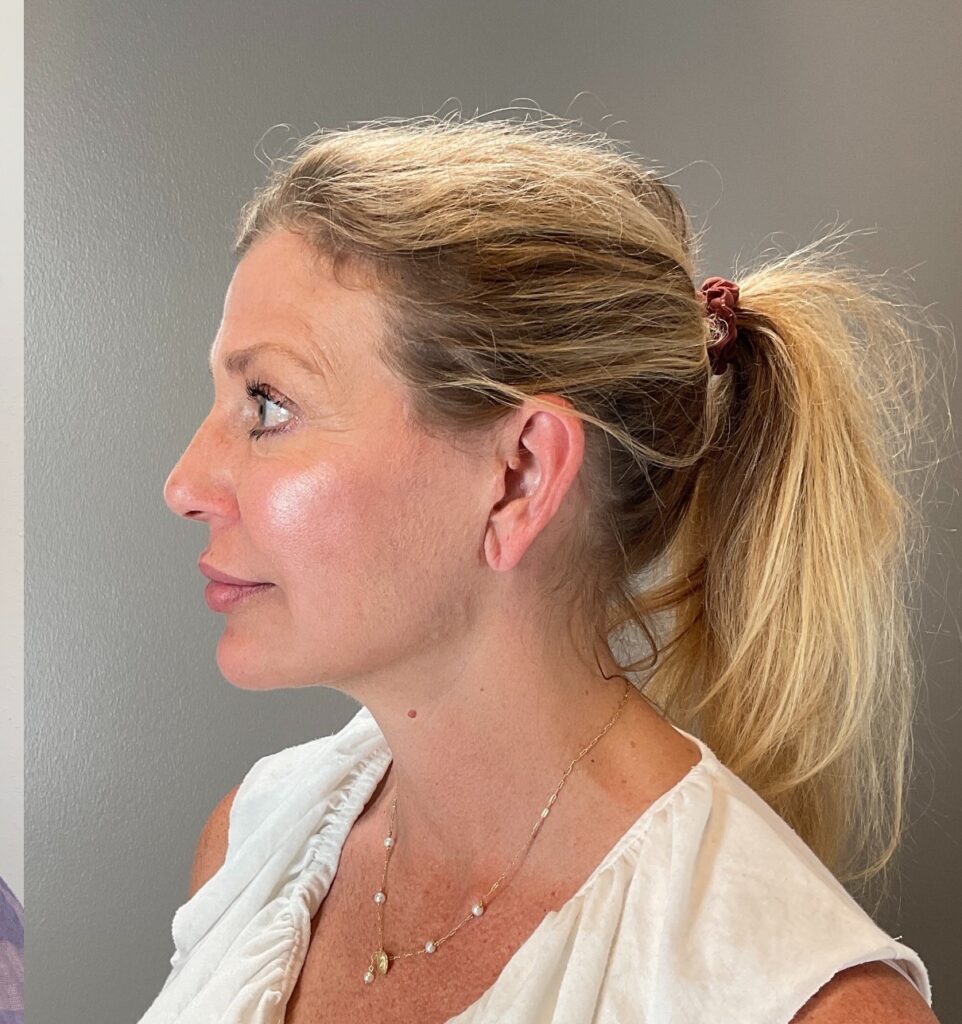
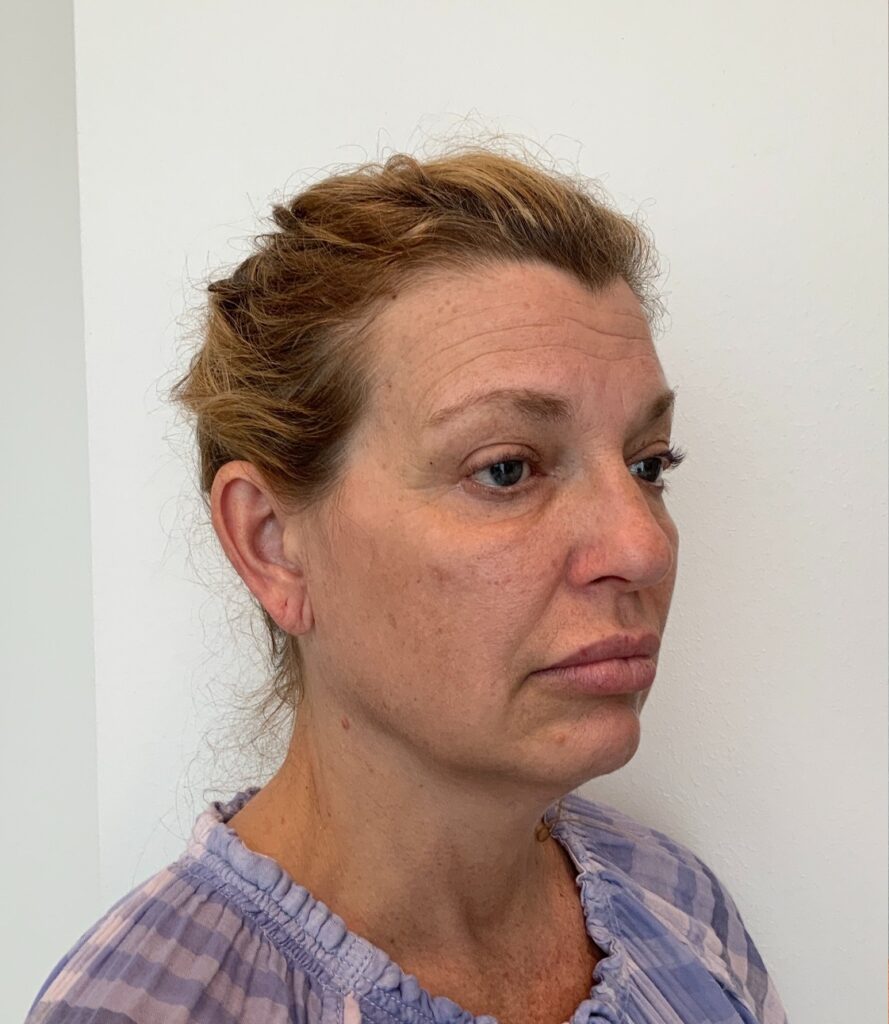
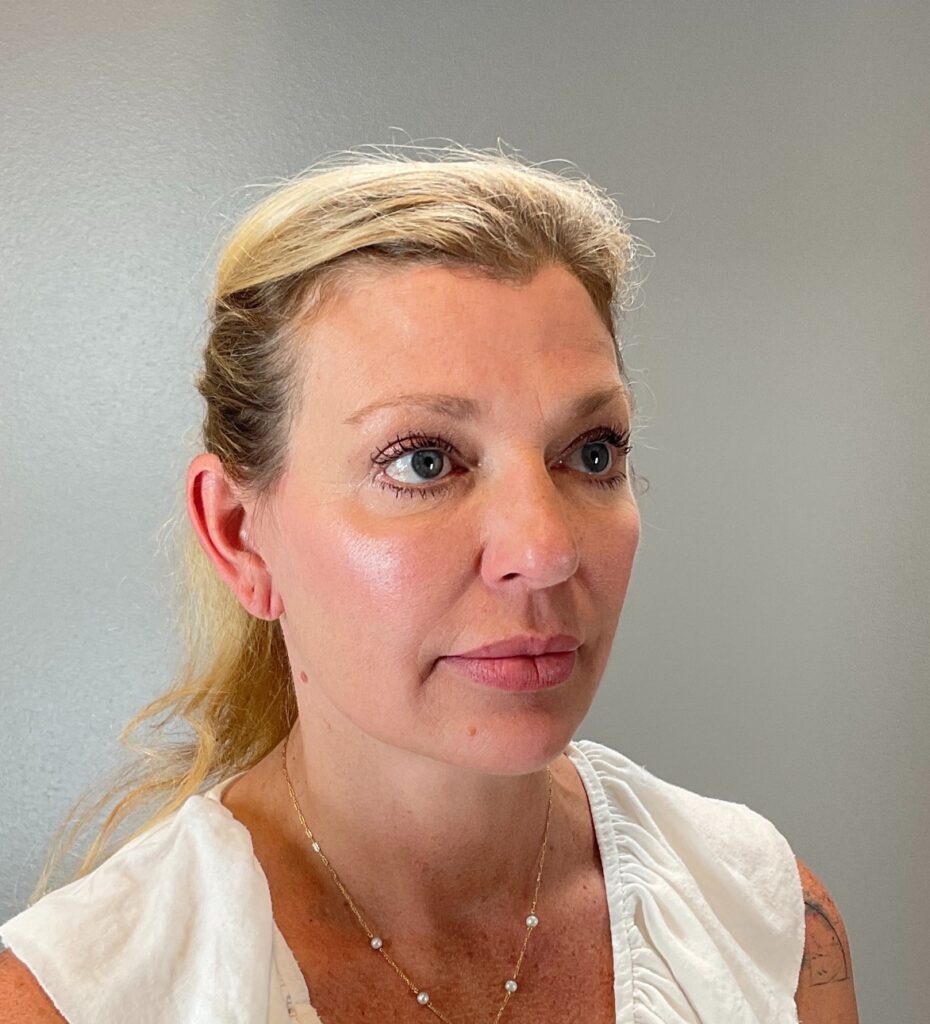
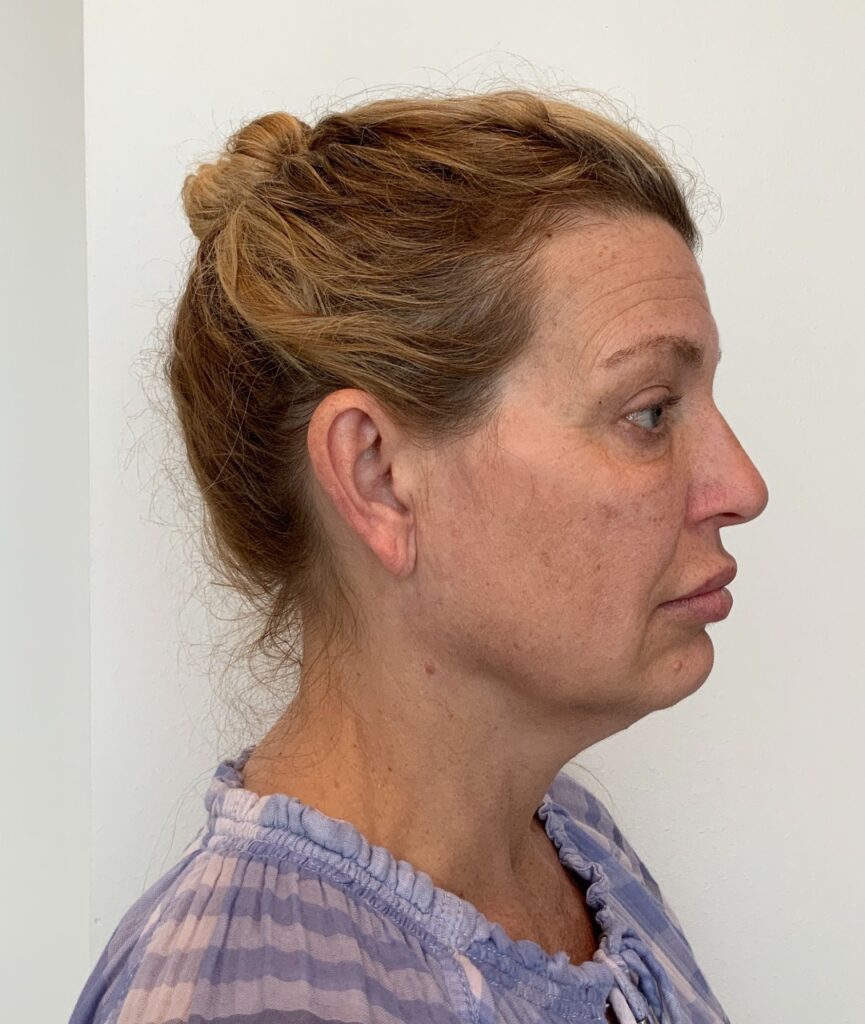
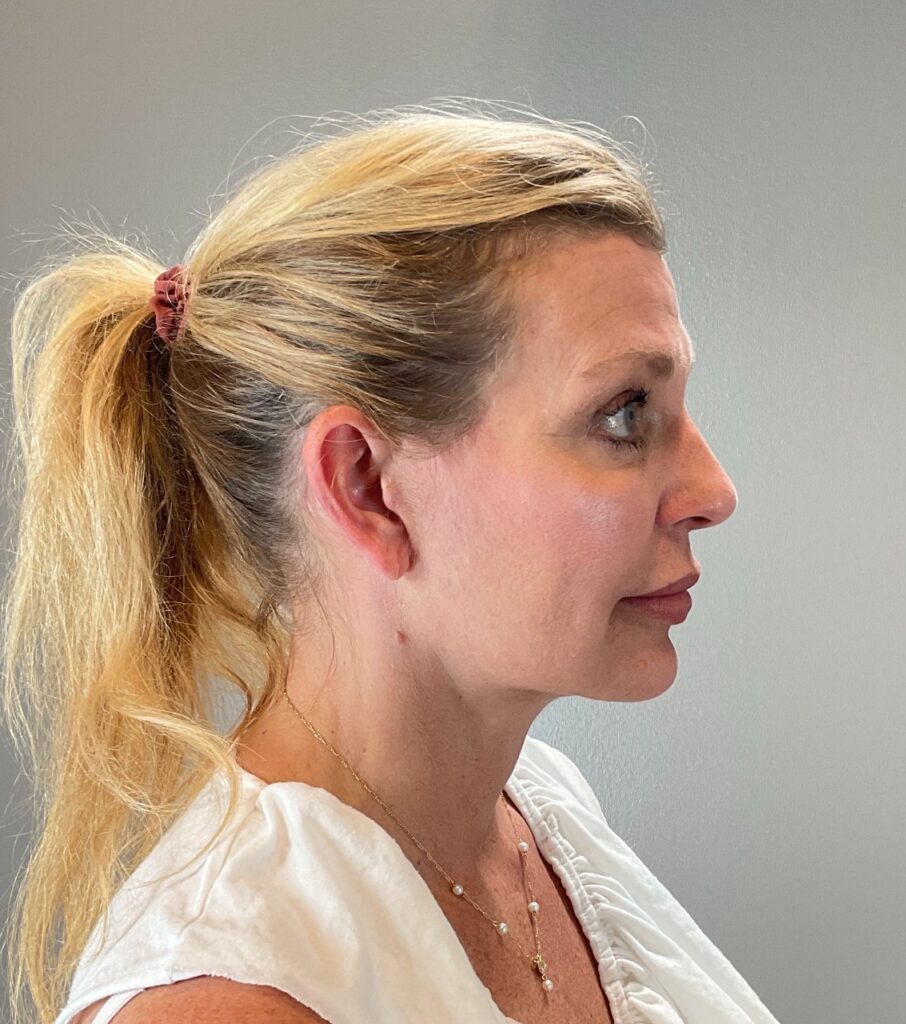
Blepharoplasty · Brow Lift · Facelift · Fat Transfer
Read this case →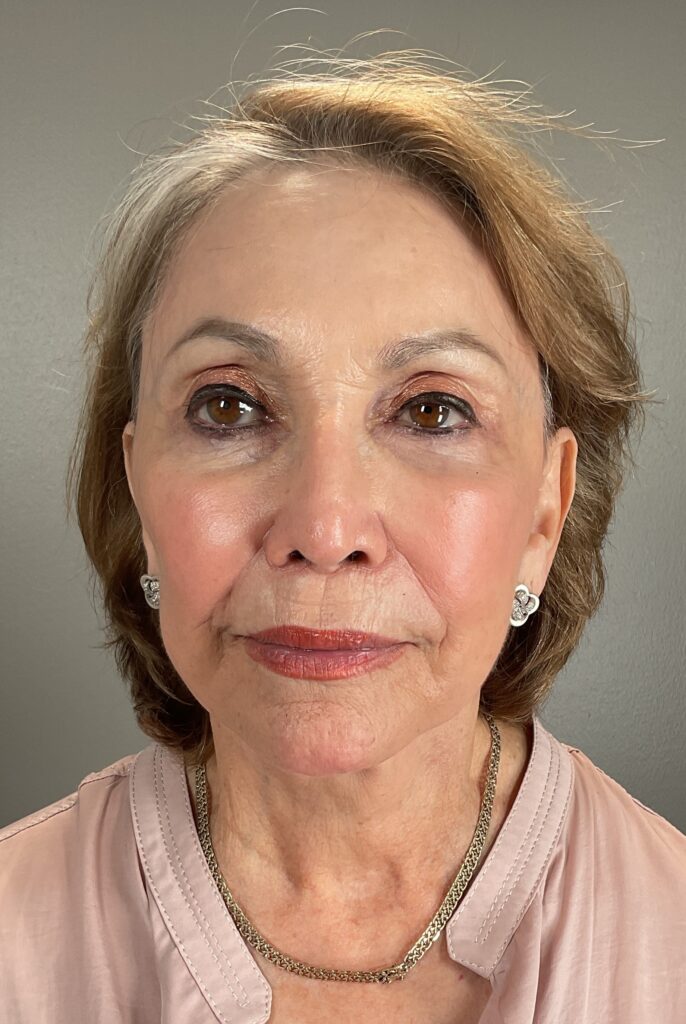
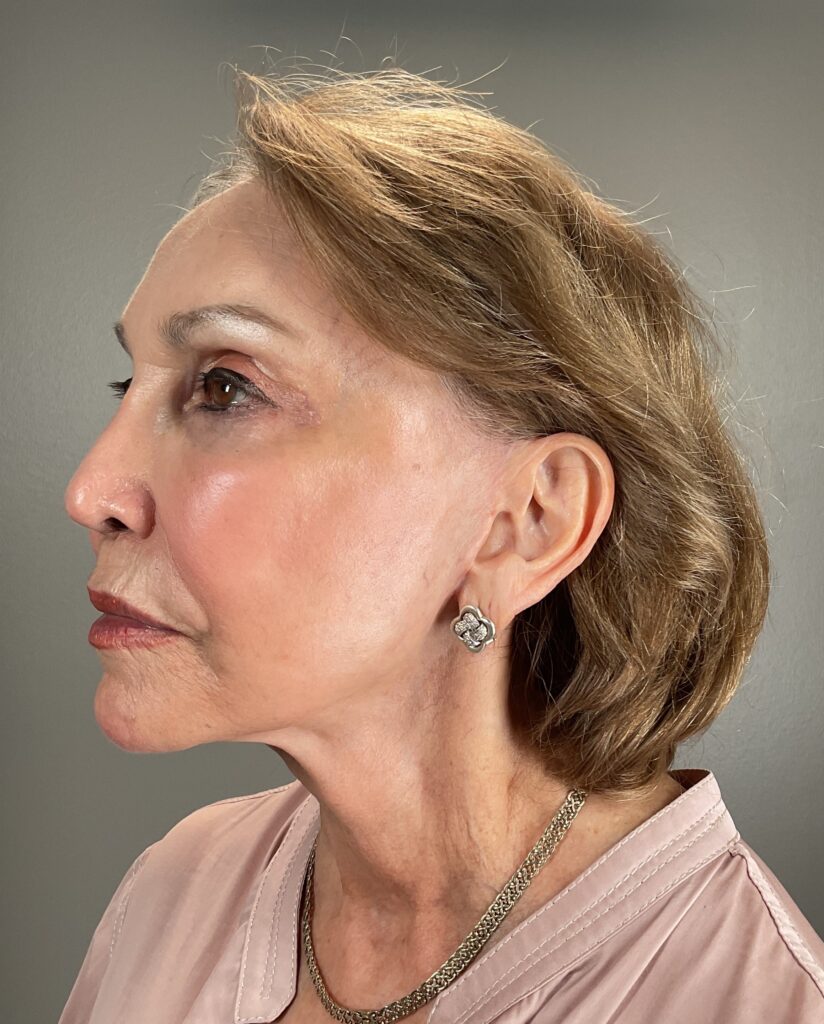
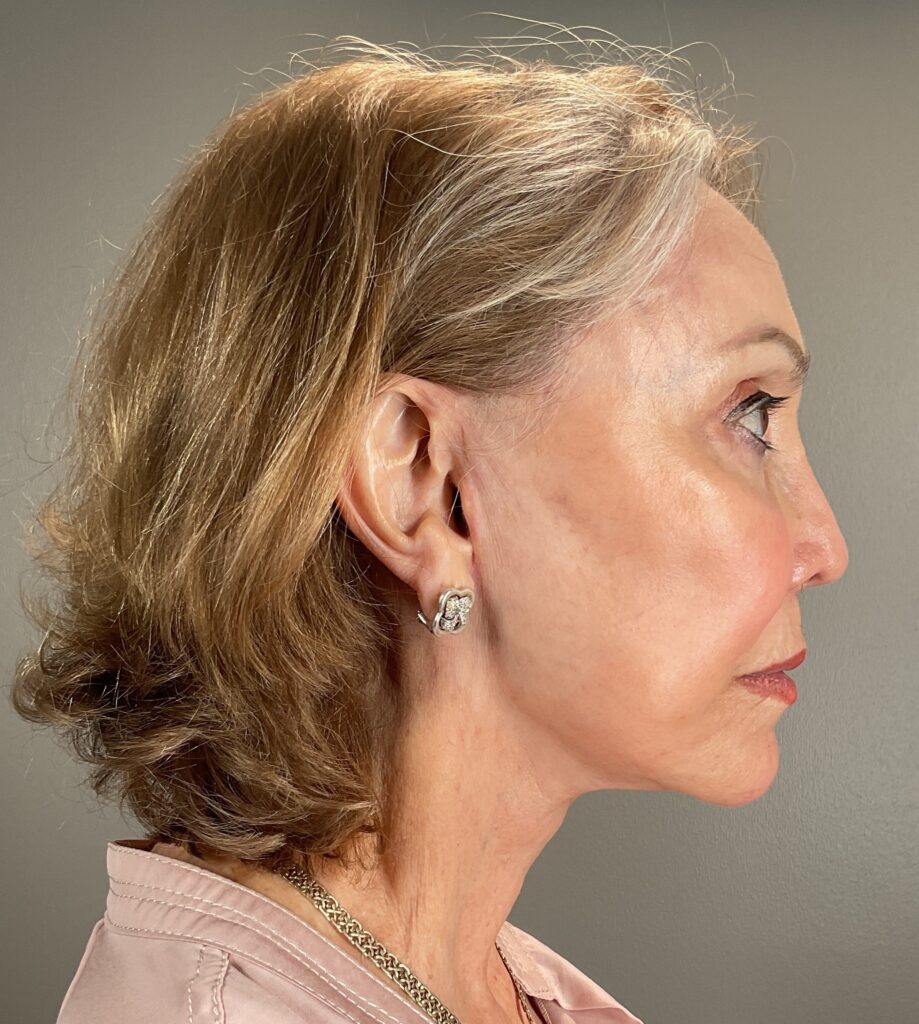
Individual results vary. Original photographs and externally supplied credits are retained. Combined procedures keep their published treatment labels.
Dr. Lee reviews your anatomy, health, medications, smoking or nicotine use, prior operations and expectations. Stable health and a realistic understanding of scars, recovery and limitations are important to planning.
Expect a period of healing, with swelling or bruising that changes over time. Arrange help after anesthesia and follow your specific incision-care, activity and follow-up instructions. Returning to work and exercise are separate milestones.
LeeLift is Dr. Lee’s individualized approach to facelift surgery, with deep-plane techniques considered for appropriate anatomy and goals. It addresses facial support and lower-face contour rather than relying on skin tightening alone.
Dr. Lee assesses the cheeks, jawline and neck along with brow and eyelid concerns. The plan is tailored to what needs treatment; complementary eyelid surgery, brow lift or resurfacing is considered only when it serves a separate goal.
Expect a period of healing, with swelling or bruising that changes over time. Arrange help after anesthesia and follow your specific incision-care, activity and follow-up instructions. Returning to work and exercise are separate milestones.
Surgery can involve bleeding, infection, anesthesia complications, scarring, altered sensation, asymmetry and the possibility of revision. The specific risks depend on the procedure and your health. Facial nerve injury, skin-healing problems and persistent contour changes are among facelift-specific considerations.
Further patient information: Source 1 ↗ · Source 2 ↗
Review your goals with the Nuveau team and discuss the approach that fits your individual needs.
Book Consultation →
Facial aging involves more than loose skin. Over time, changes in skin elasticity, facial fat, ligament support, and underlying tissues can contribute to descent of the cheeks, jowling, and reduced definition along the jawline and neck. A surgical plan begins with understanding which structures contribute to each patient's concerns.
The main distinction is the tissue layer being tightened or mobilized. These simplified illustrations are educational schematics, not exact surgical dissection maps.
Skin is redraped and excess skin removed. It provides limited repositioning of deeper facial support.
The superficial musculoaponeurotic system (SMAS) is tightened, folded, or mobilized; the extent of release varies by technique.
Selected retaining ligaments are released, allowing deeper facial tissues and the overlying skin to be repositioned together.
SMAS facelift encompasses multiple operations, including plication, imbrication, and extended SMAS dissection. Actual techniques overlap, and outcomes depend on anatomy, execution, and individualized planning—not the name of the technique alone.
The SMAS is a fibromuscular layer beneath the facial skin and subcutaneous fat. In a deep plane facelift, dissection in selected regions proceeds beneath this layer, with release of certain retaining ligaments to permit mobilization of facial tissues. Rather than relying primarily on skin tension, the surgeon can reposition deeper support structures while redraping skin without excessive pull.
There is no single universal deep plane technique. The extent of dissection, the treatment of the neck, and the vectors of repositioning vary according to facial anatomy and the surgeon's plan. Dr. Lee evaluates the midface, jowls, jawline, and neck together when considering the LeeLift.
Review skin quality, cheek descent, jowls, jawline, neck, prior surgery, and personal goals.
Determine whether deep plane, another facelift approach, neck treatment, or a complementary procedure best fits the anatomy.
Discuss expected improvements, incision placement, scars, recovery, limitations, and whether eyelid or brow treatment addresses separate concerns.
An endoscopic approach uses smaller access incisions and camera-assisted dissection in selected regions. It may be considered for particular upper- or midface concerns, while a deep plane facelift can be useful when the lower face and jowls need more extensive mobilization. The procedures are not interchangeable, and some patients may benefit from a different approach or a combination of techniques.
Patients considering a facelift commonly notice descent of the cheeks, jowls, loss of jawline definition, or neck laxity. Candidacy depends on physical examination, overall health, medication use, nicotine exposure, previous procedures, and expectations. Skin quality, facial volume, and skeletal support also affect what surgery can and cannot accomplish.
Swelling, bruising, tightness, and temporary changes in sensation are common after facelift surgery. Early recovery is measured in days and weeks, but residual swelling and scar maturation may continue for months. Your individualized instructions will address wound care, activity restrictions, sleeping position, follow-up, and when to resume work or exercise. Recovery timelines vary, particularly when procedures are combined.
A facelift can create lasting changes in facial contour, but it does not stop aging. Longevity varies with genetics, skin quality, weight changes, lifestyle, and surgical technique. No approach guarantees a specific number of years or eliminates the possibility of additional treatment.
Potential complications include hematoma, infection, wound-healing problems, skin compromise, visible or widened scars, asymmetry, hairline changes, altered sensation, facial nerve injury, anesthesia-related complications, and the possible need for revision. A consultation should cover individual risks and alternatives, including choosing not to have surgery.
Deep plane surgery involves mobilization beneath the SMAS in selected regions. Other SMAS techniques may tighten, fold, or elevate the layer with varying degrees of release. The terminology can overlap, so the operative plan matters more than the label.
A goal of modern facelift planning is to improve contours while preserving individual facial character. Results depend on anatomy, technique, healing, and realistic expectations; no specific appearance can be guaranteed.
Neck treatment may be included when indicated, but the exact approach depends on skin laxity, platysma anatomy, fat distribution, and the surgical plan.
Not necessarily. Eyelid surgery, brow lifting, fat grafting, or skin resurfacing may address separate concerns when appropriate.
Visible swelling and bruising often improve over the first several weeks, although individual healing varies. Your surgical team will help you plan around important events.
Facelift incisions leave scars, typically planned around natural contours near the ears and hairline. Scar visibility varies with incision placement, healing, and individual factors.
Educational information only. Your consultation and examination determine which technique, if any, is appropriate. Learn more from the American Society of Plastic Surgeons.